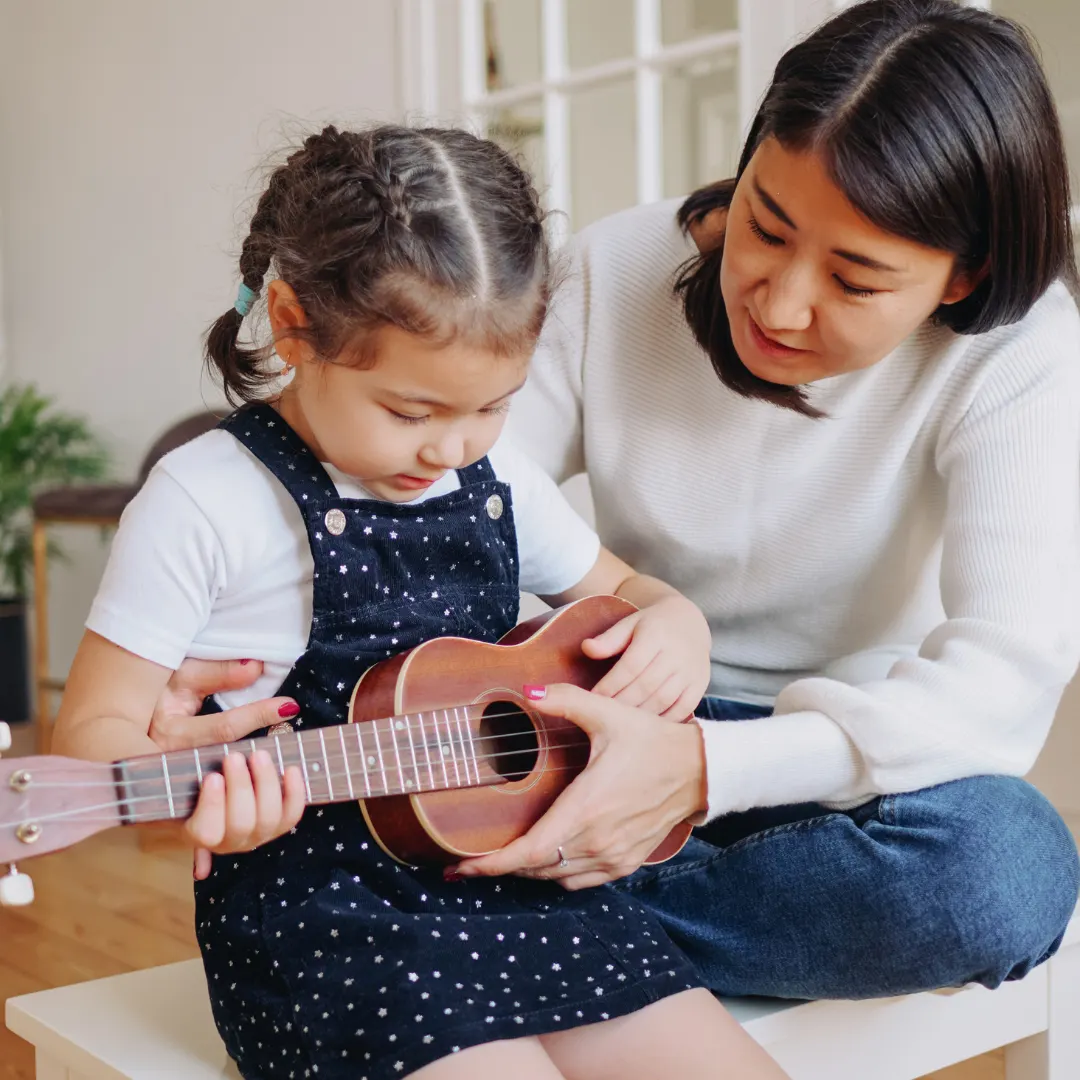
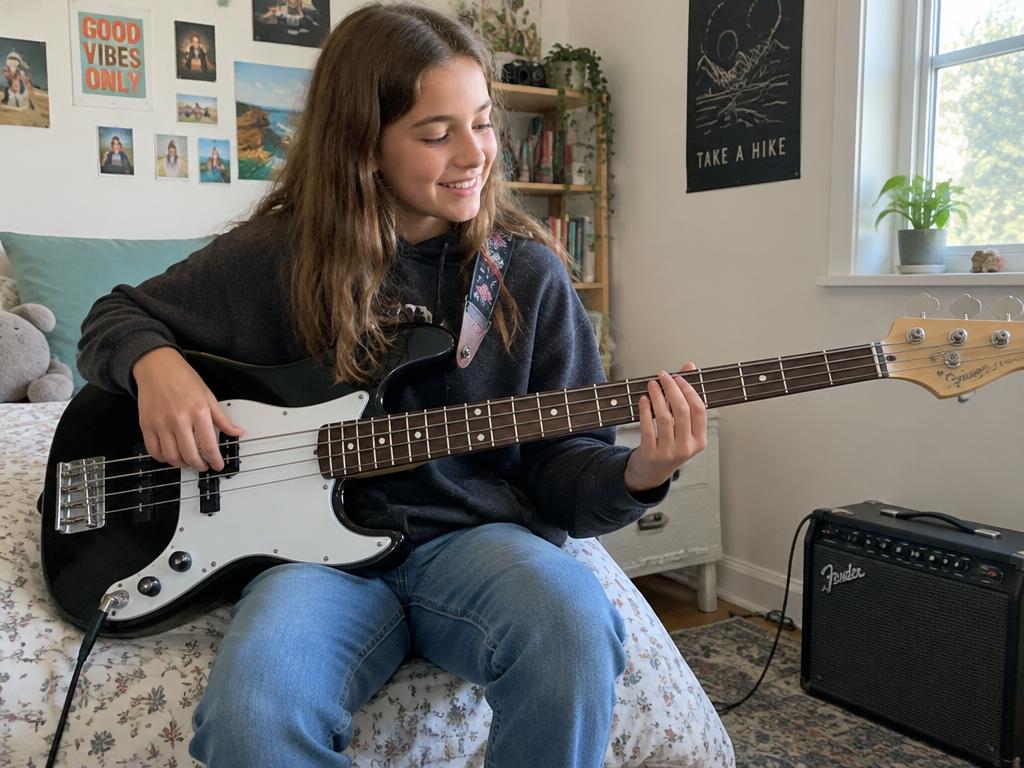
A bass line can be simple and still change the entire character of a song. Its timing, note length, and relationship to the drums help other musicians feel where the music is going. For Waltham beginners, aspiring band members, and guitarists exploring a different role, learning bass means developing physical technique and a more attentive way of listening. You do not need to play another instrument first or begin with fast music.
New England Music Lessons offers personalized private, in-home and in-person instruction for kids, teens, and adults. Bass lessons connect the music you enjoy with practical work on groove, fretboard knowledge, and comfortable playing habits. Explore our broader bass lessons overview or the Waltham music lessons hub to compare instruments. Share your location, experience, and preferred schedule so current availability and arrangements can be discussed.
Begin with a Comfortable Instrument and a Clear Sound
Early bass study starts with making the instrument manageable. Strap height, seated position, wrist alignment, and the distance between your hand and the frets affect how comfortably you play. A younger student may need particular attention to instrument size and reach. Rather than assuming every beginner needs the same setup, discuss the bass you already own or are considering before making a purchase. Comfort matters more than choosing an instrument that simply looks impressive.
Producing one clear note is useful work. Beginners learn to fret near the appropriate fret, use only the pressure needed, and release it without losing control of the sound. The plucking hand also needs a dependable starting position. Alternating fingers, crossing strings, and keeping unused strings quiet can be introduced gradually. These details make short musical patterns sound intentional and reduce the temptation to compensate for unclear notes by squeezing harder. Listen for a consistent attack as well as pitch.
Build Rhythm Before Chasing Speed
Bass playing depends on knowing where a note belongs in time. Counting aloud, tapping a steady pulse, and playing repeated notes reveal whether a player tends to rush, drag, or lose the beat during a change. A useful beginner exercise is to play a short pattern slowly enough to hear every attack and release. The goal is not mechanical perfection; it is developing awareness to notice a timing problem and make a specific adjustment.
Groove involves the space between notes. A short, muted note creates a different feel from one sustained across the same beat. Lessons connect these choices to rock, pop, blues, or funk examples, depending on interests and readiness. Practicing with a metronome or suitable backing track adds an external reference, while counting without either helps check whether the pulse remains steady. Speed becomes useful only when the pattern still feels settled and the sound remains controlled.
Lessons come to your Waltham home on your schedule. Book a time that works for your family.
Understand the Bass Player's Role in a Band
The bass often connects a song's rhythmic motion with its harmony. Following chord roots gives a beginner an accessible starting point, but effective playing also requires listening for the kick drum, recognizing phrase endings, and understanding when a chord changes. A bass part does not need constant movement to be interesting. Repeating a supportive idea consistently gives a singer or guitarist space and helps the whole arrangement work. Choosing not to add a fill is also a musical decision.
Aspiring band members practice entering after a count-in, staying with a repeated section, and returning confidently after a mistake. Listening exercises compare verse and chorus to identify changes in energy or note density. If rhythm-section interaction interests you, our drum lessons in Waltham page explains the other side of that partnership. Private study develops listening skills without implying that an ensemble placement or band opportunity is included. Understanding a song's structure helps you support it more reliably.
Move from Guitar to Bass with a Different Perspective
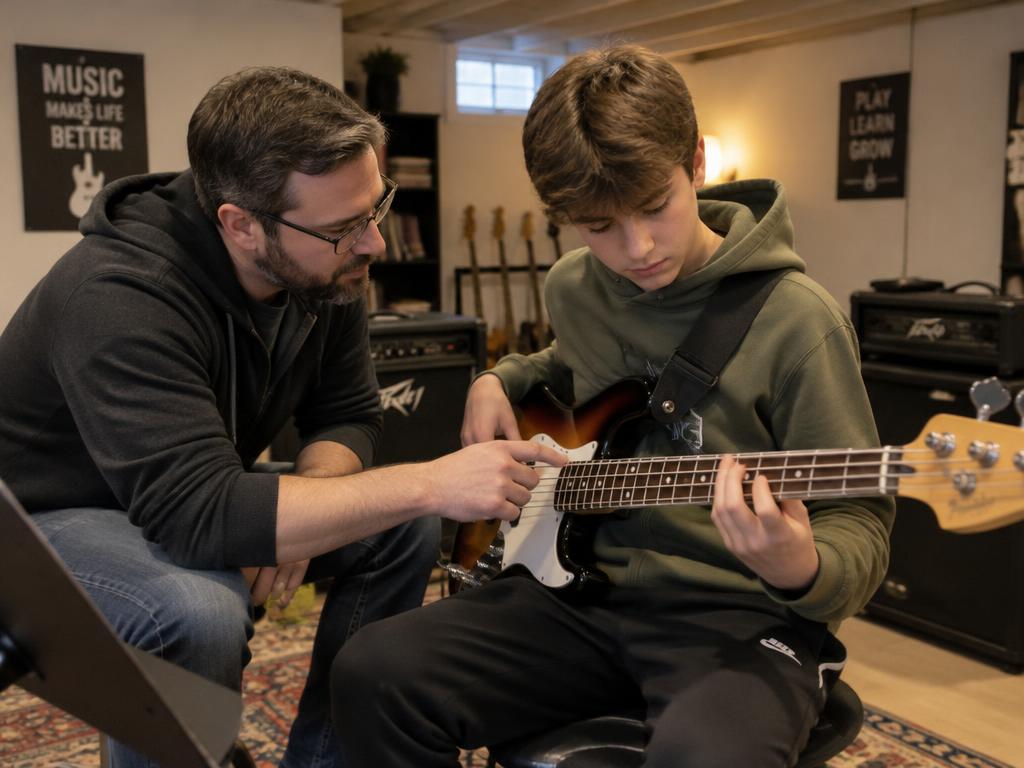
Guitar experience provides useful starting knowledge, especially familiarity with fretted notes, chord names, and song structures. However, bass asks for different decisions. Longer stretches, heavier strings, and a lower register change how much movement is comfortable and how clearly notes speak. Guitarists may need to reconsider habits such as filling every gap or letting adjacent strings ring. The aim is to use existing knowledge while developing a bass-centered approach, not simply playing guitar patterns lower down.
A productive transition begins by taking a familiar chord progression and playing its roots with consistent timing. From there, explore octaves, fifths, passing notes, and rhythmic placements without losing the progression. Comparing a busy version with a simpler one develops musical judgment. Students deciding between instruments can explore guitar lessons in Waltham. Neither instrument is a required stepping stone to the other; the better starting point depends on what you want to hear and play.
Not sure which instrument fits best for your Waltham student? Call us and we will help you decide.
Connect Songs, Fretboard Knowledge, and Musical Understanding
Songs give technical work a purpose. A recognizable riff introduces string changes, while a repeating accompaniment makes chord movement easier to hear. Material should be selected or simplified to match current control rather than used as a test of endurance. Learning a short section accurately often teaches more than struggling through an entire arrangement. Listening to the recording and identifying where the bass enters are useful parts of the process. Notice whether the pattern changes when the vocal begins.
Fretboard knowledge develops effectively when connected to music. Finding a root note in two places, recognizing an octave shape, or hearing how a fifth supports a chord gives each concept a practical use. Tablature helps locate notes, while rhythmic notation explains when and how long to play them. Ear training adds another route into the music. As students advance, scales and chord tones support deliberate fills instead of becoming disconnected patterns memorized only for exercises.
Make Practice Specific Enough to Repeat
Useful practice begins with a small question: which part of this bass line needs attention today? It might be an uneven string crossing, a noisy release, or a chord change arriving late. Isolating two beats or one transition makes the problem easier to hear. After improving that fragment, place it into a longer phrase. Repeating an entire song without noticing the same difficulty can reinforce a habit rather than change it. Adjust one detail so you can evaluate the result.
Children benefit from short tasks with an obvious finish, such as playing a pattern several times without stopping. Teenagers connect practice to songs they want to understand, while adults plan around realistic windows between responsibilities. A simple recording reveals timing and unwanted string noise that are difficult to notice while playing. Keep amplification at a sensible level, and choose a setup that is easy to use consistently. Elaborate equipment is not automatically helpful; a clear sound makes careful practice easier.
Ready for your first lesson in Waltham? We will match you with a teacher who serves Waltham.
Contact Us About Bass Lessons in Waltham
To discuss bass lessons, call (978) 430-8480, email info@newenglandmusiclessons.com, or use Contact Us. Include the student's age range, musical experience, Waltham location, and days or times you could consider. Mention whether you have a bass and amplifier, and describe interests such as joining a band, learning favorite songs, or moving from guitar. These details make an enquiry useful without requiring you to know exactly what a lesson plan should contain.
In-home and in-person arrangements depend on current availability, so confirm scheduling and practical requirements rather than assuming an opening. Families comparing options can return to the Waltham hub, while those outside the city can review our service areas. Before lessons begin, discuss instrument suitability, the playing space, pricing, policies, and what to practice between meetings. A clear starting point makes it easier to focus on listening, sound, and steady musical progress without unresolved equipment or scheduling questions.
Ready to Start Music Lessons in Waltham?
A friendly teacher comes to your Waltham home on your schedule. Tell us who is learning and we will find the right match.
Frequently Asked Questions
Can I start bass without learning guitar first?
Yes. Bass can be your first instrument. Beginners start with playing position, clear notes, simple rhythms, and fretboard navigation. Guitar experience may help with some concepts, but it is not required. Bass has its own techniques and musical responsibilities, so learning to listen and maintain a groove matters from the beginning.
Is bass suitable for a child?
It can be, but instrument size, reach, interest, and comfort deserve attention. A child should not strain to reach basic playing positions. Share the student's age and any instrument you already have when enquiring so suitability and starting arrangements can be discussed. Physical fit matters more than choosing an instrument based on appearance.
Will I learn songs or just exercises?
Songs and focused exercises support each other. A song provides a musical goal, while a short exercise addresses the movement or rhythm making that song difficult. Material can be adapted to your experience and interests rather than following an identical sequence for everyone. The purpose is to transfer improved control back into actual music.
What should a guitarist focus on when switching to bass?
Priorities include muting, consistent note length, comfortable fretting, and listening closely to drums. Familiar chord knowledge is useful, but choosing fewer notes with stronger timing may matter more than transferring guitar patterns directly. The transition should develop a distinct bass-playing perspective and a clearer sense of how the part supports other musicians.
Are in-home bass lessons available at my preferred time?
Ask about current availability for your Waltham address and schedule. New England Music Lessons offers private in-home and in-person instruction, but a particular time or teacher should not be assumed. Include several scheduling windows if you have flexibility, and discuss equipment and practice arrangements before committing to a recurring appointment.
Book Music Lessons in Waltham, MA
Tell us who the lessons are for, which instrument interests you and when you are usually free. We will match you with a teacher who serves Waltham and get back to you quickly.