Choosing an instrument is one of the most exciting first steps in any musical journey, and it is a decision worth taking seriously since the right fit can make all the difference in long-term motivation. New England Music Lessons offers private, one-on-one instruction in piano, guitar, bass guitar, drums and ukulele for students of every age throughout Greater Boston and MetroWest.
Not sure where to start? Our team can talk through your goals, musical interests and weekly schedule to help you pick the right instrument and teacher from the very beginning. Contact us anytime for friendly, no-pressure guidance.
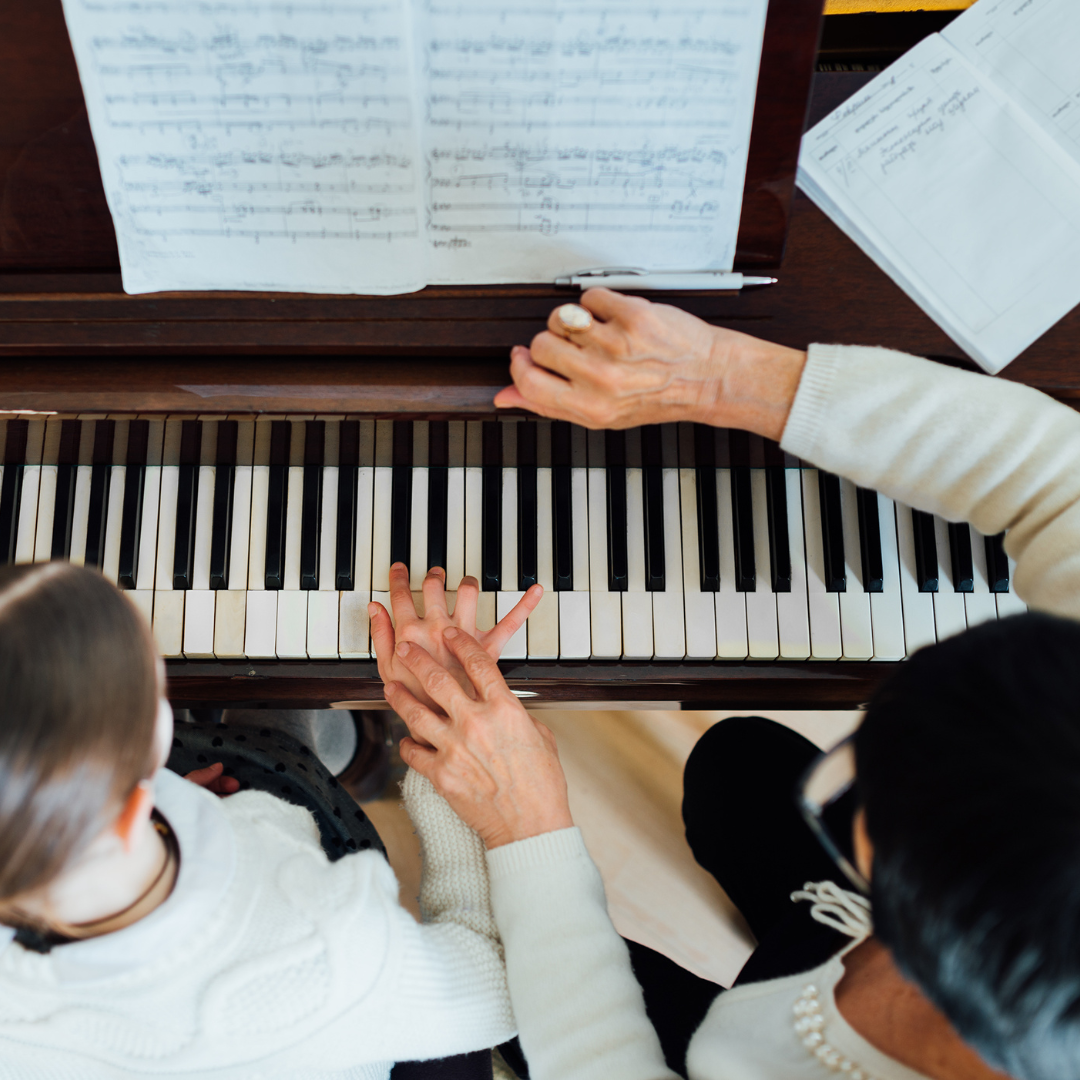
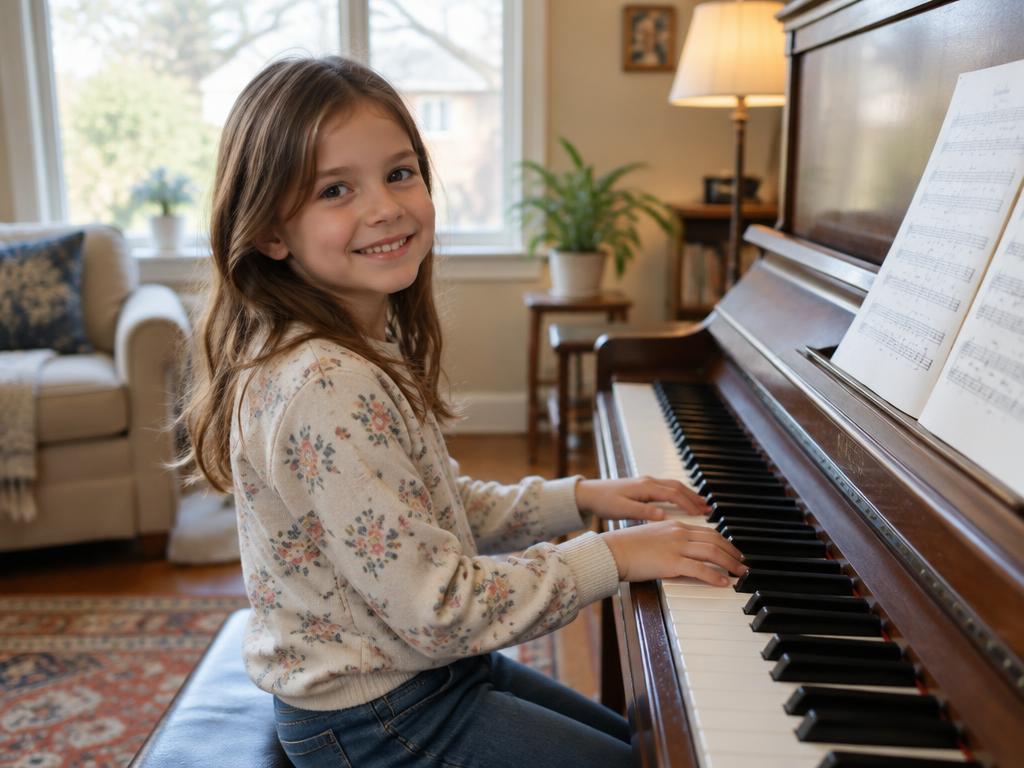
Piano Lessons for Every Age
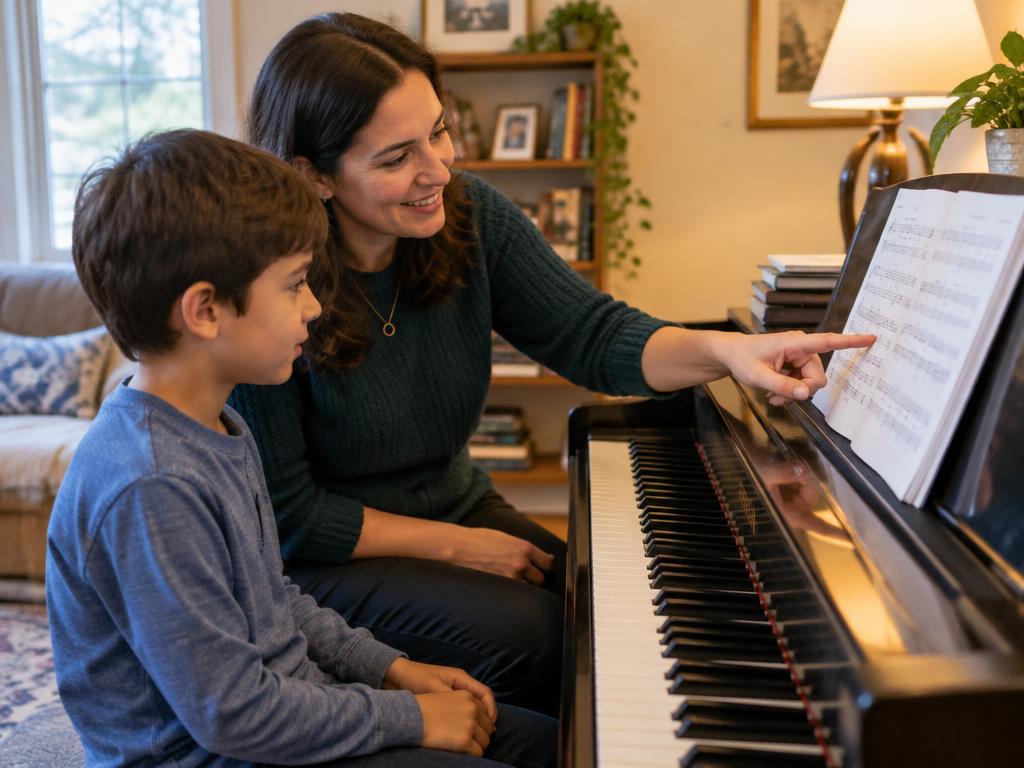
Piano builds a strong musical foundation, teaching reading, rhythm and technique that transfers naturally to nearly every other instrument a student might pursue later. Our piano lessons welcome complete beginners as well as returning players looking to sharpen rusty skills or finally tackle more advanced repertoire.
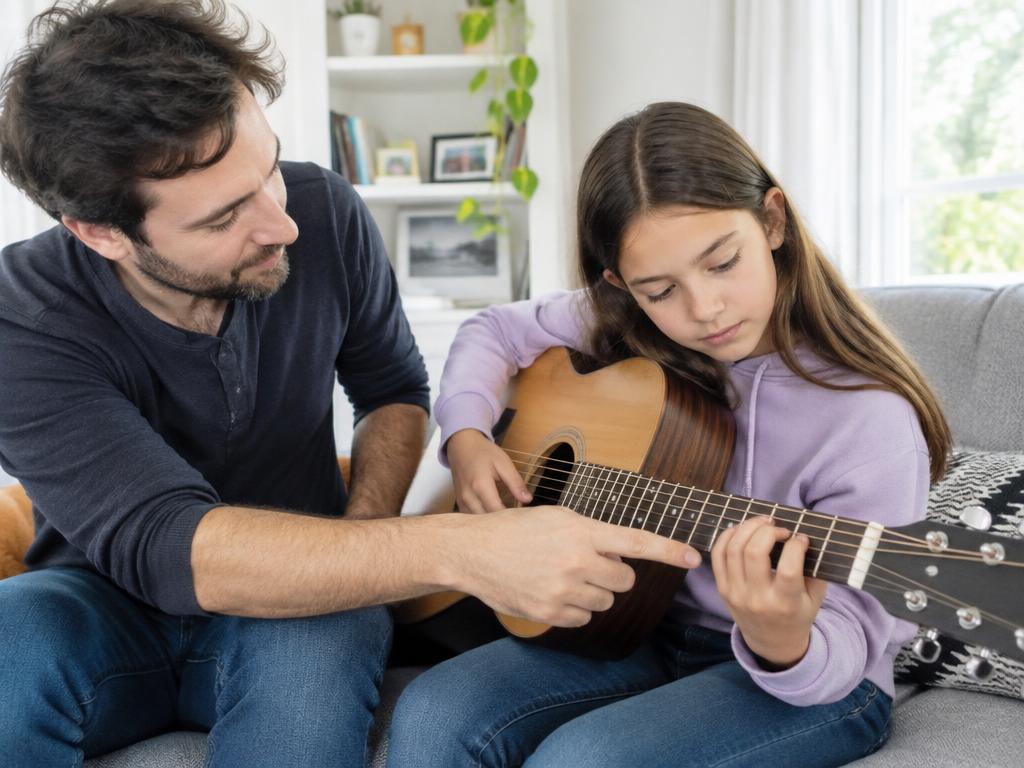
Guitar Lessons: Acoustic, Electric and Classical
Whether a student dreams of strumming campfire songs around a fire pit or shredding electric solos on stage, our guitar lessons cover acoustic, electric and classical styles with teachers who adapt lessons to each student's personal taste in music and preferred genres.
Lessons come to your home on your schedule. Book a time that works for your family.
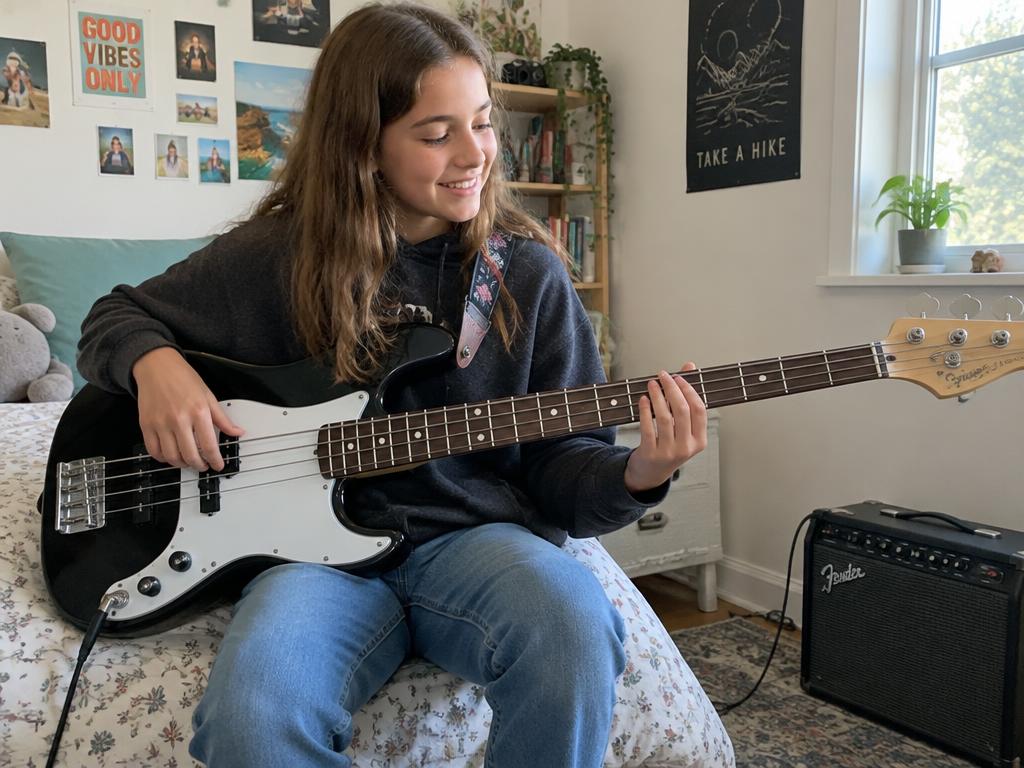
Bass Guitar Lessons for Groove and Technique
Bass players anchor every band, holding rhythm and harmony together even when nobody in the audience notices directly. Our bass lessons help students build the timing, technique and ear training needed to play confidently across rock, funk, jazz and other groove-driven styles.
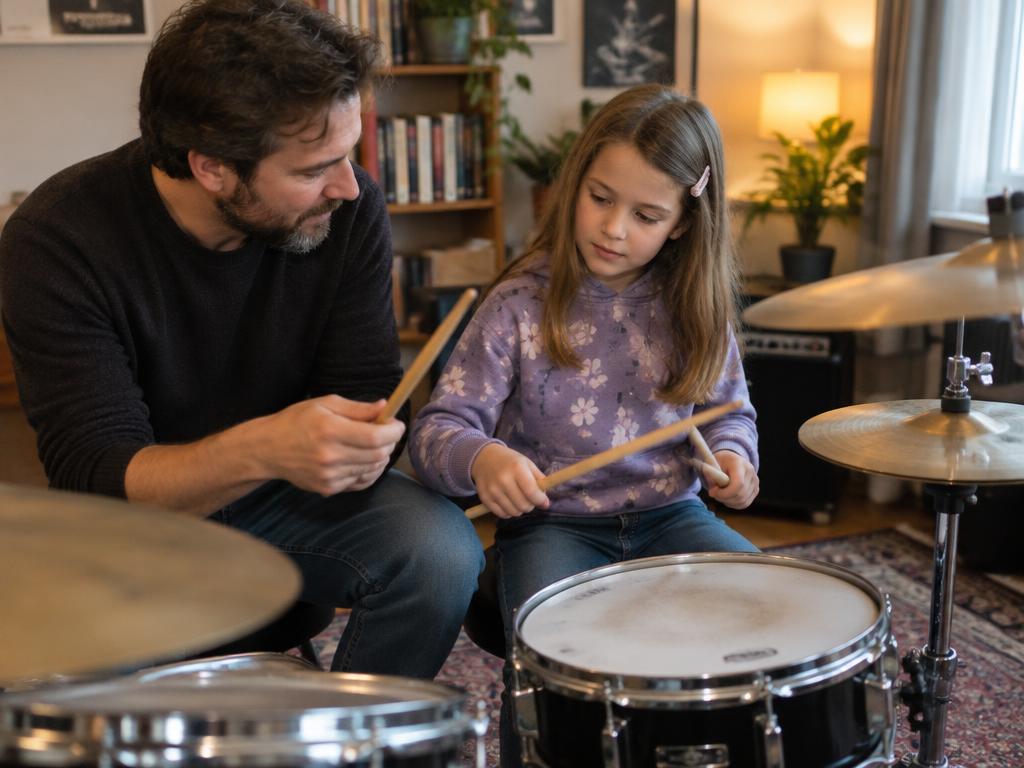
Drum Lessons for Rhythm and Technique
From first rudiments on a practice pad to full drum set grooves and fills, our drum lessons give students a patient, structured path toward confident, musical playing that holds up in a full band setting.
Not sure which instrument fits best? Call us and we will help you decide.
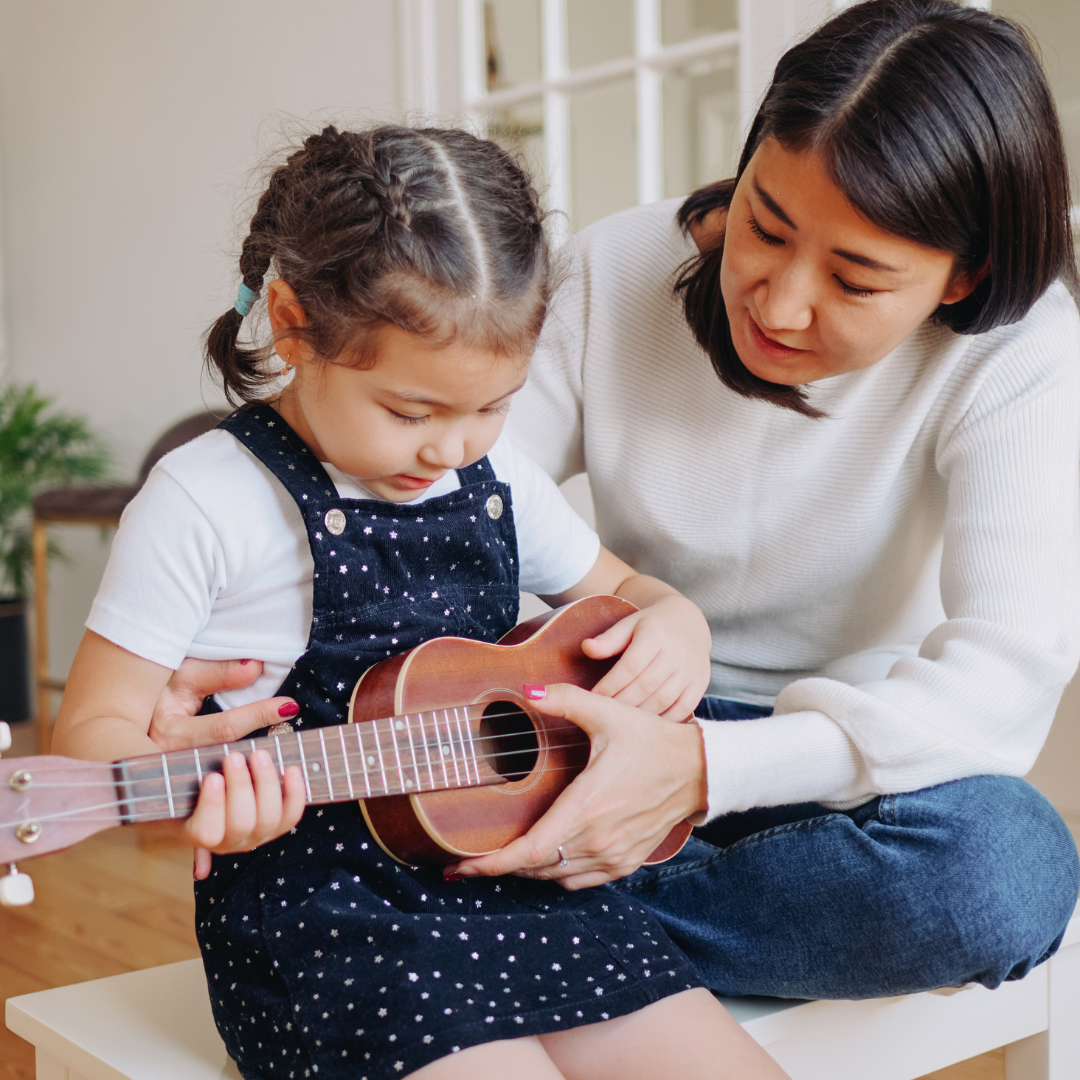
Ukulele Lessons: A Friendly Starting Point
The ukulele is approachable and genuinely fun, making it a great choice for young beginners or adults who want quick, encouraging musical wins early on. Explore our ukulele lessons to see how students typically progress from first chords to full songs in a short amount of time.
How In-Home Lessons Work
All of our instruments are taught through in-home lessons, with select instructors also offering studio sessions for families who prefer a dedicated teaching space. This flexible setup makes consistent weekly practice easier for busy families across MetroWest and Greater Boston suburbs.
Ready for your first lesson? We match you with a teacher throughout Greater Boston and MetroWest.
Finding the Right Lesson Package
Once you have chosen an instrument, explore flexible lesson options to see available lesson lengths and weekly scheduling options, then contact us to get matched with a teacher who fits your goals and timeline.
Not Sure Which Instrument Fits Your Goals?
Some students know exactly what they want to play, while others are drawn to music in general without a strong preference yet. If that describes your family, think about what kind of music you enjoy listening to, whether a melody-driven instrument like piano appeals more than a rhythm-driven one like drums, and how much space and budget you have for an instrument at home. We are happy to talk through these questions before you commit to a specific program.
Lessons come to your home on your schedule. Book a time that works for your family.
Building Skills That Transfer Across Instruments
Reading rhythm, understanding basic music theory, and developing a good practice routine are skills that carry over no matter which instrument a student eventually chooses. Many of our teachers weave these foundational concepts into lessons from day one, which makes it easier for a student to pick up a second instrument later, whether that means moving from piano to guitar or exploring drums alongside an existing instrument.
Setting Realistic Practice Goals
Short, consistent practice sessions between weekly lessons usually matter more than occasional long ones. Teachers typically suggest manageable daily goals suited to the student's age and attention span, whether that means ten focused minutes for a young beginner or thirty minutes for a more advanced player working toward a specific recital or audition.
Not sure which instrument fits best? Call us and we will help you decide.
Lessons Designed Around Local Students
Families throughout Greater Boston and MetroWest bring a wide range of goals to their first lesson, from school band auditions to casual weekend hobbies. Our in-home lessons model lets teachers tailor pacing and repertoire closely to each student rather than following a rigid, identical curriculum for every child in town. Visit our service areas page to see whether we currently serve your specific neighborhood.
Ready to Start Making Music?
A friendly teacher comes to your home anywhere throughout Greater Boston and MetroWest. Tell us who is learning and we will find the right match.
Frequently Asked Questions
Which instrument should my child start with?
It depends largely on interest and age. Piano and ukulele are popular first instruments for younger children because they build coordination and musical understanding quickly, while guitar, bass and drums often suit older kids and teens with specific musical interests already in mind. We are happy to help you decide together.
Can adults learn an instrument for the first time?
Yes, absolutely, and it happens more often than people expect. Many adult students start from zero and make steady progress with patient, structured instruction. Lessons are paced to fit adult schedules and goals, whether that means casual enjoyment or serious, long-term skill-building.
Do I need to own an instrument before starting lessons?
It helps to have access to the instrument you are learning for regular practice between lessons, though your teacher can offer guidance on affordable rental or purchase options if you do not yet own one. We can discuss specifics once you contact us about getting started.
How long does it take to see progress?
Progress varies quite a bit by student, instrument and practice habits, but most students notice improved technique, confidence and musical understanding within the first few months of consistent weekly lessons.
Can I switch instruments after starting lessons?
Yes. If a student discovers that a different instrument interests them more after a few lessons, just let us know and we will help transition them smoothly to a new teacher and lesson plan for that instrument instead.
Do you teach multiple instruments to the same student?
Some students do study more than one instrument at a time, often adding a second instrument once they have built a comfortable foundation on their first. Contact us to discuss scheduling options for multiple instruments in the same household.
How do I choose between group and private lessons?
We specialize in private, one-on-one lessons because they allow teachers to fully tailor pacing, repertoire and feedback to each individual student's goals and skill level, which often leads to faster, more confident musical progress overall.
Is it ever too late to start learning an instrument?
Not at all. We regularly teach older teens and adults who are picking up an instrument for the very first time, and many make rapid progress once they commit to consistent weekly practice. Motivation and curiosity matter far more than age when it comes to learning music successfully.
Can my teacher help prepare for a school audition or recital?
Yes. Many students use lessons specifically to prepare repertoire, build confidence and polish performance details ahead of a school audition, recital or ensemble placement. Let your teacher know about upcoming dates early so lessons can be structured around that timeline.
Do lessons include music theory?
Teachers typically weave basic music theory into lessons naturally, helping students understand the reasoning behind what they are playing rather than memorizing notes by rote. The depth of theory covered usually depends on the student's age and long-term goals.
How do I know if my child is progressing well?
Your teacher will share informal updates during lessons, and you are always welcome to ask directly about how a student is progressing toward their goals. Consistent weekly attendance and regular practice are usually the clearest signs that lessons are going well.
Schedule Your First Music Lesson
Tell us who the lessons are for, which instrument interests you and when you are usually free. We will match you with a teacher near you and get back to you quickly.